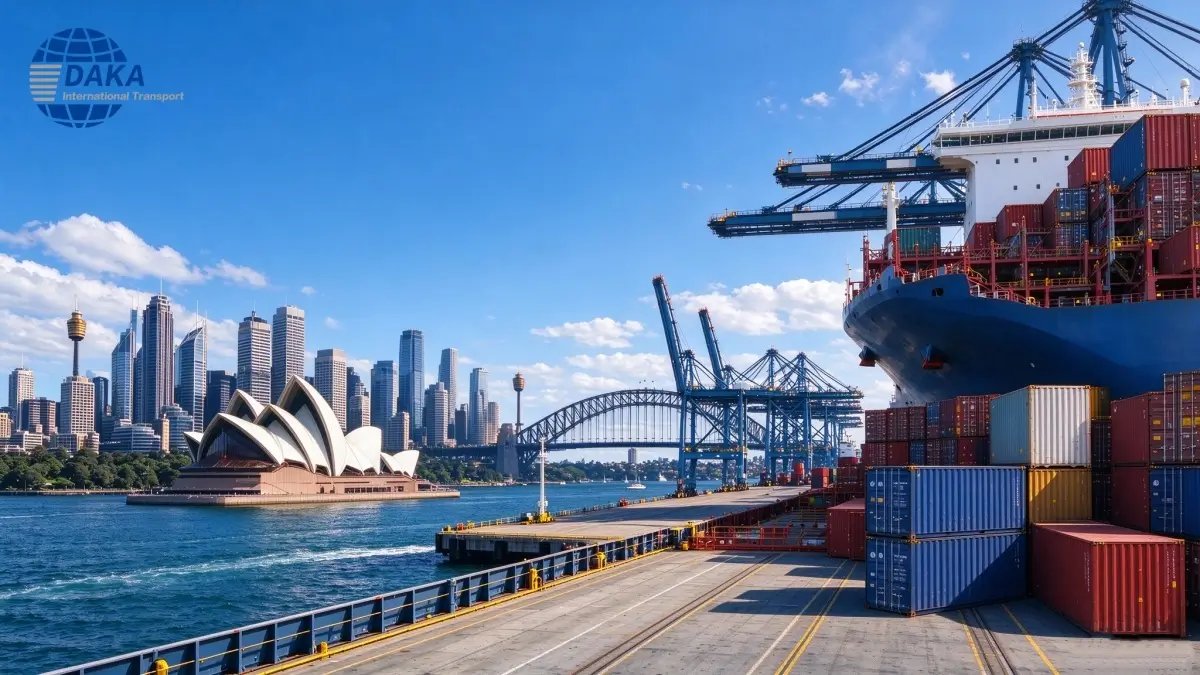
Brisbane is an important logistics hub for businesses importing products from China into Queensland and other parts of Australia. Whether you are purchasing goods from suppliers in Shenzhen, Guangzhou, Shanghai, Ningbo, or other Chinese manufacturing centers, choosing the right shipping method can have a major impact on your total landed cost and delivery time.
For most importers, shipping from China to Brisbane can be arranged by sea freight, air freight, or express delivery. The best option depends on your cargo volume, weight, urgency, budget, and whether you need port-to-port or door-to-door service.
This guide explains the main shipping options, typical transit times, shipping costs, customs requirements, and how to arrange reliable China to Brisbane shipping.
1. Shipping Options from China to Brisbane
The main options for shipping from China to Brisbane are sea freight, air freight, and international express. Each method serves different types of cargo.
1.1 Sea Freight from China to Brisbane
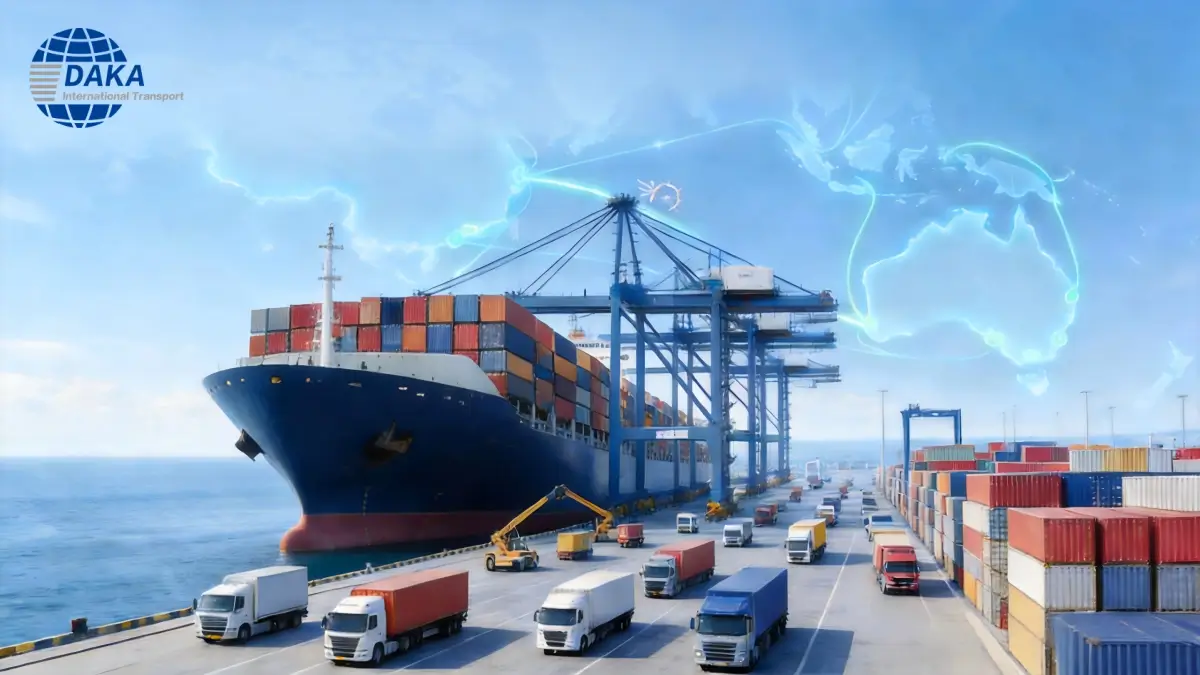
Sea freight is generally the most economical choice for large, heavy, or non-urgent shipments. Importers can choose between Full Container Load (FCL) and Less than Container Load (LCL), depending on the size of the shipment.
FCL is suitable when your cargo is large enough to fill a 20ft or 40ft container. With LCL, your cargo shares container space with shipments from other importers, making it practical for smaller shipments.
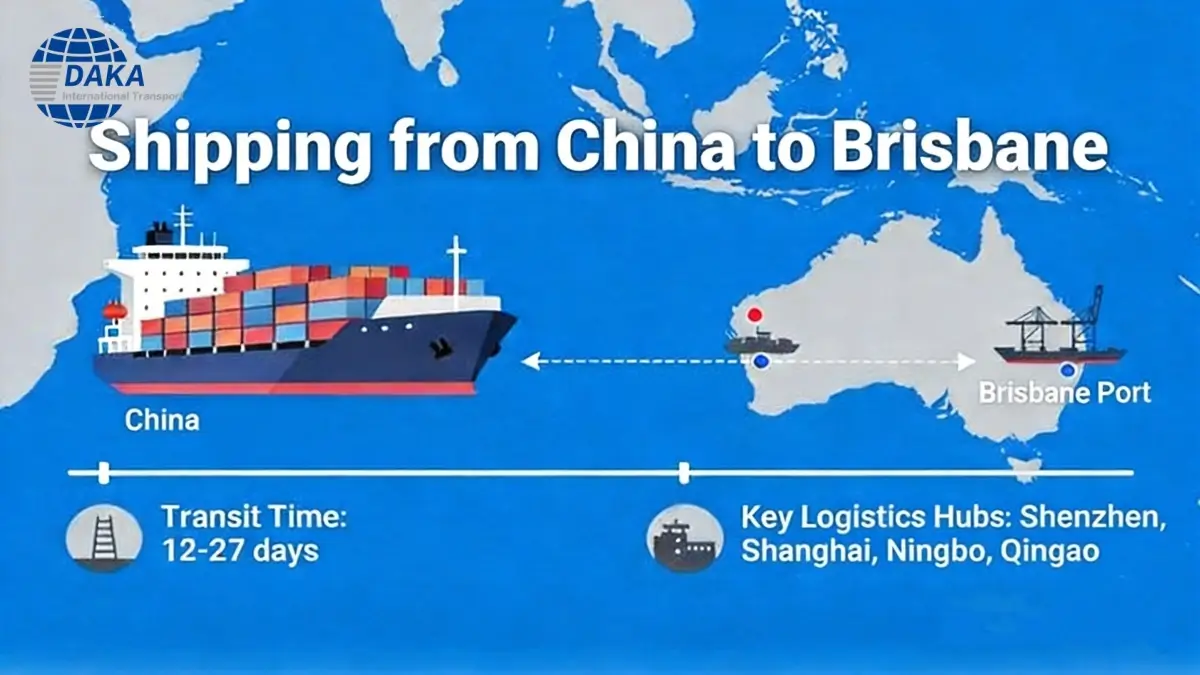
Typical sea freight from China to Brisbane takes around 12–27 days port-to-port, depending on the Chinese departure port, shipping route, vessel schedule, and transshipment requirements.
Actual transit times can vary depending on the origin city, destination arrangements, customs clearance, carrier schedule, and seasonal congestion.
1.2 Air Freight from China to Brisbane
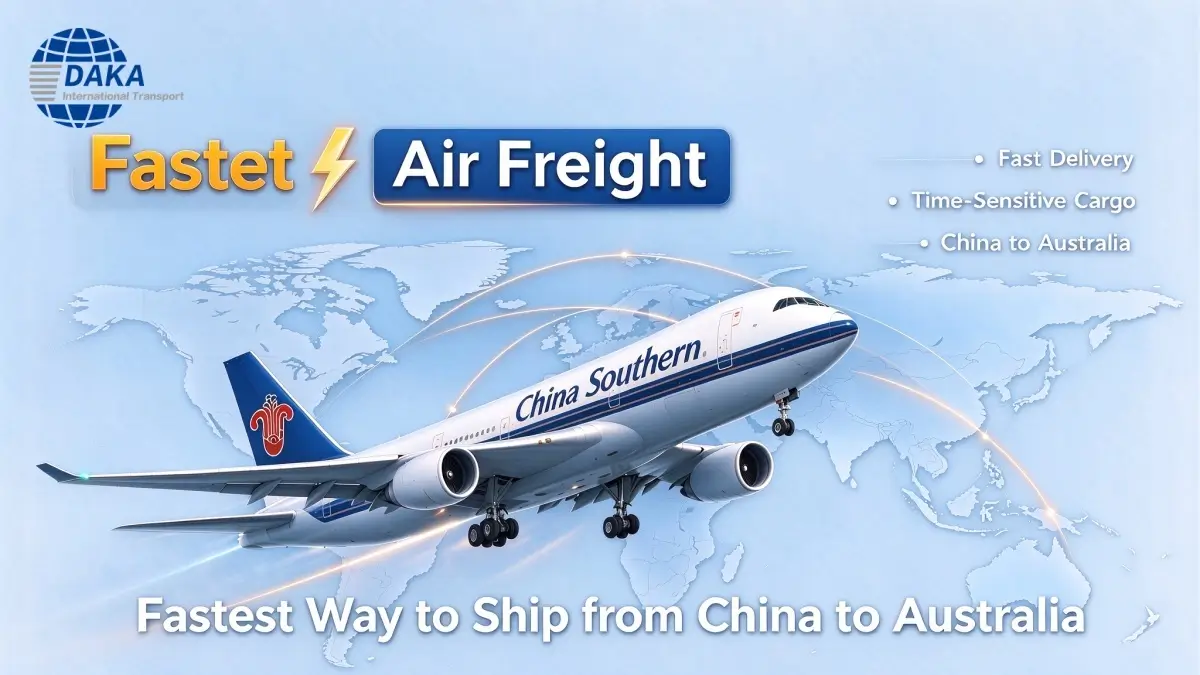
Air freight is a faster alternative when delivery speed is more important than the lowest shipping cost. It is commonly used for samples, electronics, high-value products, spare parts, and urgent commercial orders.
For air freight from China to Brisbane, cargo can be collected from the supplier, transported to an airport in China, flown to Australia, and then cleared and delivered locally. Depending on the service, the overall door-to-door transit time is often around 3–8 working days.
Air freight is more expensive than sea freight, but it can significantly reduce inventory waiting time and help businesses respond quickly to customer demand.
1.3 Express Shipping from China to Brisbane
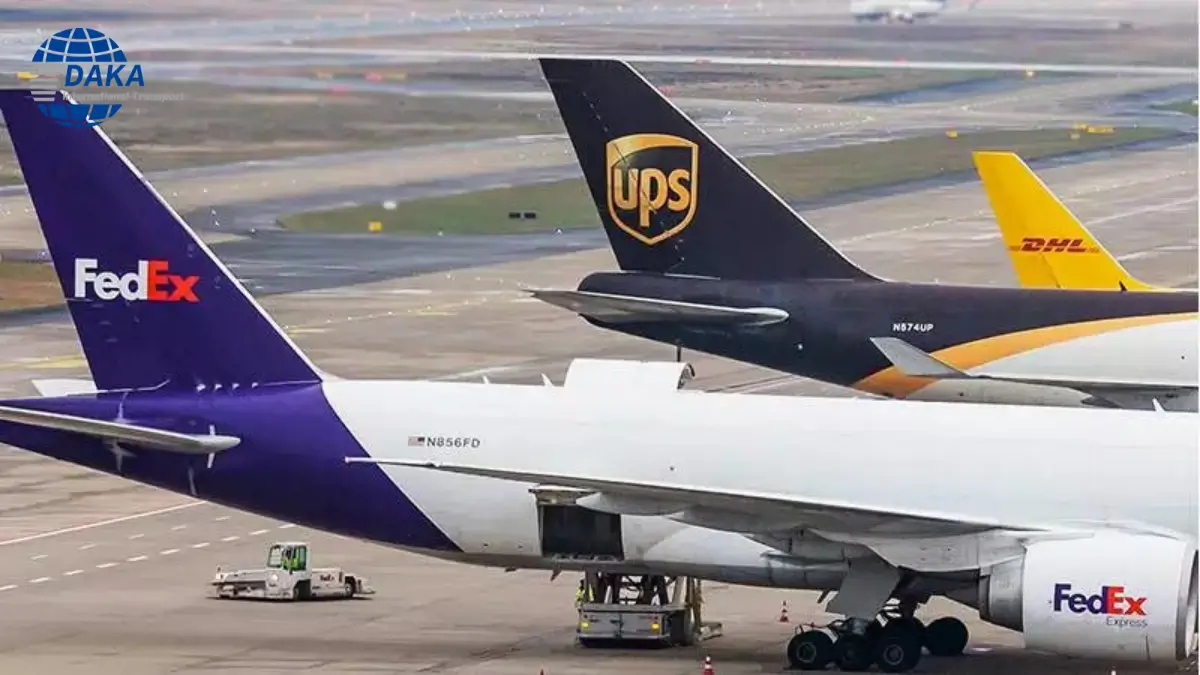
International express services are suitable for small parcels, samples, documents, and lightweight commercial goods that need fast delivery.
Express carriers such as DHL, UPS, and FedEx can provide door-to-door delivery with tracking throughout the shipment. For small and urgent shipments, express may be more convenient than arranging traditional freight.
2. How Long Does Shipping from China to Brisbane Take?
The shipping time from China to Brisbane depends mainly on the transportation method and the location of the supplier.
For sea freight, shipments from major Chinese ports such as Shenzhen, Guangzhou, Xiamen, Ningbo, Shanghai, Qingdao, and Tianjin may have different transit times. Port schedules and transshipment arrangements can also affect the final arrival date.
As a general reference:
- Sea freight: approximately 12–27 days port-to-port
| From | To | Port To Port | Door To Door by FCL | Door To Door by LCL |
| Shenzhen | Brisbane | 12-20 days | 21 -27 days | 24-30 days |
| Guangzhou | Brisbane | 14-20 days | 21 -27 days | 24-30 days |
| Ningbo | Brisbane | 17-23 days | 24-30 days | 27-33 days |
| Shanghai | Brisbane | 17-23 days | 24-30 days | 27-33 days |
| Qingdao | Brisbane | 20-27 days | 27-34 days | 30-37 days |
- Air freight: approximately 3–10 days depending on the service
- Express: approximately 3–7 business days
Door-to-door shipping takes longer than port-to-port transportation because it also includes pickup, export customs clearance, destination handling, Australian customs clearance, and local delivery.
For time-sensitive cargo, it is better to confirm the complete door-to-door transit time with your freight forwarder rather than relying only on the vessel or flight duration.
3. How Much Does Shipping from China to Brisbane Cost?
The cost of shipping from China to Brisbane depends on several factors rather than simply the distance between the two locations.
For sea freight, the main cost factors include:
- Cargo volume and weight
- FCL or LCL service
- Chinese departure port
- Brisbane destination charges
- Ocean freight
- Customs clearance
- Local delivery
- Cargo type and special handling requirements
For FCL shipments, the total cost may include China-origin charges, ocean freight, destination charges, customs clearance, and delivery from the Brisbane port to the final address.
For LCL shipments, freight is commonly calculated according to chargeable volume or weight. Other fees such as CFS handling, customs clearance, documentation, and local delivery may also apply.
Air freight is generally calculated based on the chargeable weight, which may be based on either the actual weight or volumetric weight.
Because freight rates change according to carrier schedules, fuel costs, seasonal demand, and other market conditions, importers should request a current quotation based on their actual cargo details.
4. Major China Ports for Shipping to Brisbane
Most commercial shipments to Brisbane can be arranged from China’s major export ports.
Common departure locations include:
- Shenzhen
- Guangzhou
- Xiamen
- Ningbo
- Shanghai
- Qingdao
- Tianjin
The best departure port is not always the closest port geographically. If your supplier is located inland or you purchase goods from multiple suppliers, a freight forwarder can compare pickup costs, consolidation options, sailing schedules, and total transportation costs.
For example, suppliers in Shenzhen, Dongguan, and Guangzhou can often be consolidated through South China export gateways, while suppliers in eastern China may use Shanghai or Ningbo.
5. Customs Clearance for Imports from China to Brisbane
Australian customs and biosecurity requirements are an important part of the import process. Before shipping, importers should make sure that their products meet Australian import requirements.
Common shipping documents may include:
- Commercial invoice
- Packing list
- Bill of lading or air waybill
- Certificate of Origin where applicable
- Packing declaration where required
Certain products may require additional permits, inspections, certifications, or biosecurity treatment.
Wooden pallets, crates, and other timber packaging may also need to meet Australia’s biosecurity requirements. Incorrect or untreated timber packaging can cause delays, additional costs, or treatment requirements after arrival.
A freight forwarder experienced in shipping from China to Brisbane can help coordinate the required documentation and customs clearance before the cargo arrives.
6. FCL or LCL: Which Is Better for Brisbane Imports?
The choice between FCL and LCL mainly depends on your cargo volume and shipping requirements.
FCL is usually a better choice for larger shipments because the cargo occupies an entire container. It provides more control over the loading process and can be more economical when you have enough cargo to use most of the container.
LCL is more flexible for smaller shipments because you only pay for the space your cargo occupies. However, LCL involves additional consolidation and deconsolidation handling, which can make the process more complex.
If you regularly import from multiple Chinese suppliers, supplier consolidation can also be considered. A freight forwarder can collect products from different suppliers, store them in a China warehouse, combine the cargo, and then arrange one shipment to Brisbane.
For more information, you can read our article or watch our video below: How to choose between FCL and LCL?
7. How to Choose a Freight Forwarder for China to Brisbane Shipping
A reliable freight forwarder should be able to provide more than an attractive ocean freight rate.
Before choosing a provider, consider whether they can handle:
- Supplier pickup in China
- Warehouse consolidation
- FCL and LCL shipping
- Air freight and express services
- Export and Australian customs clearance
- Brisbane port handling
- Door-to-door delivery
- Cargo insurance
- Special cargo requirements
- Shipment tracking and communication
It is also important to compare quotations based on the total landed shipping cost, rather than comparing only the basic ocean freight rate. A low freight rate may not represent the lowest final cost if destination charges, customs fees, or local delivery costs are excluded.
8. Shipping from China to Brisbane with DAKA
DAKA provides international freight forwarding services for businesses and importers shipping cargo from China to Australia.
With warehouses and logistics teams in China and Australia, DAKA can coordinate supplier pickup, cargo consolidation, export customs clearance, sea or air freight, Australian customs clearance, and final delivery.
Whether you are shipping a small LCL shipment, a full container, or urgent air cargo, the transportation plan can be arranged according to your cargo size, budget, and delivery requirements.
Final Thoughts
Choosing the right method for shipping from China to Brisbane depends on your cargo volume, budget, delivery deadline, and final delivery requirements. Sea freight is usually the practical option for larger and less urgent shipments, while air freight and express services are better suited to time-sensitive cargo.
If you regularly import products from China, working with an experienced China freight forwarder can simplify supplier pickup, consolidation, customs clearance, international transportation, and Brisbane delivery.
Contact DAKA today for a shipping solution from China to Brisbane based on your actual cargo and delivery requirements.