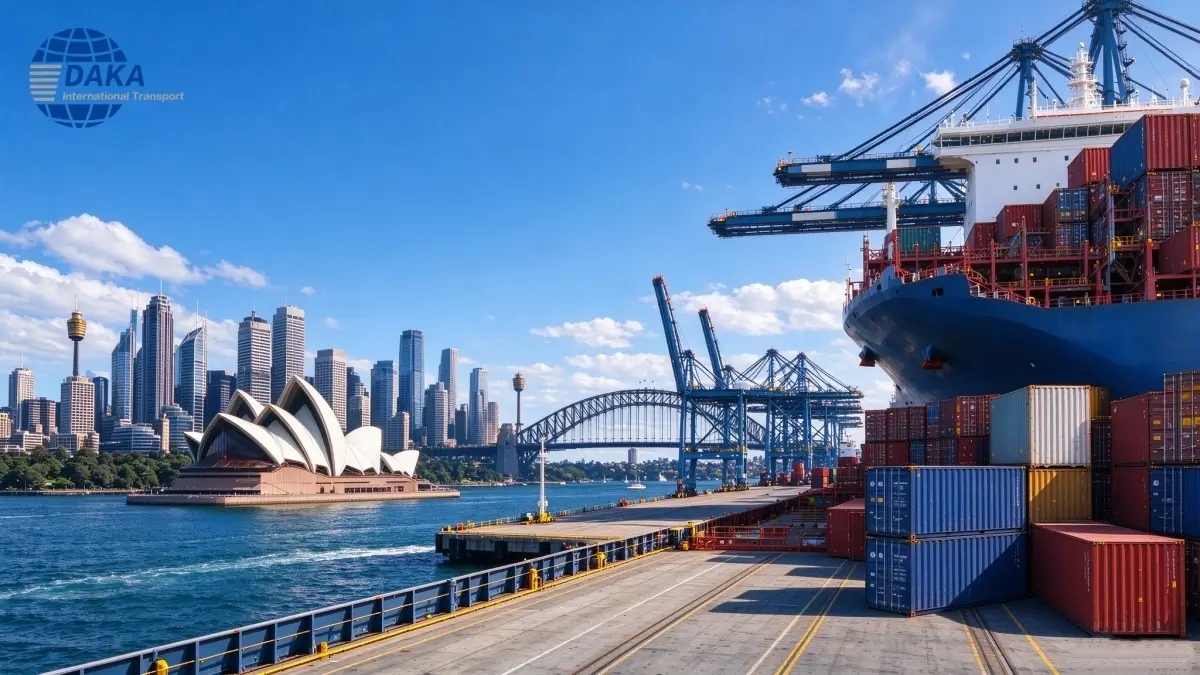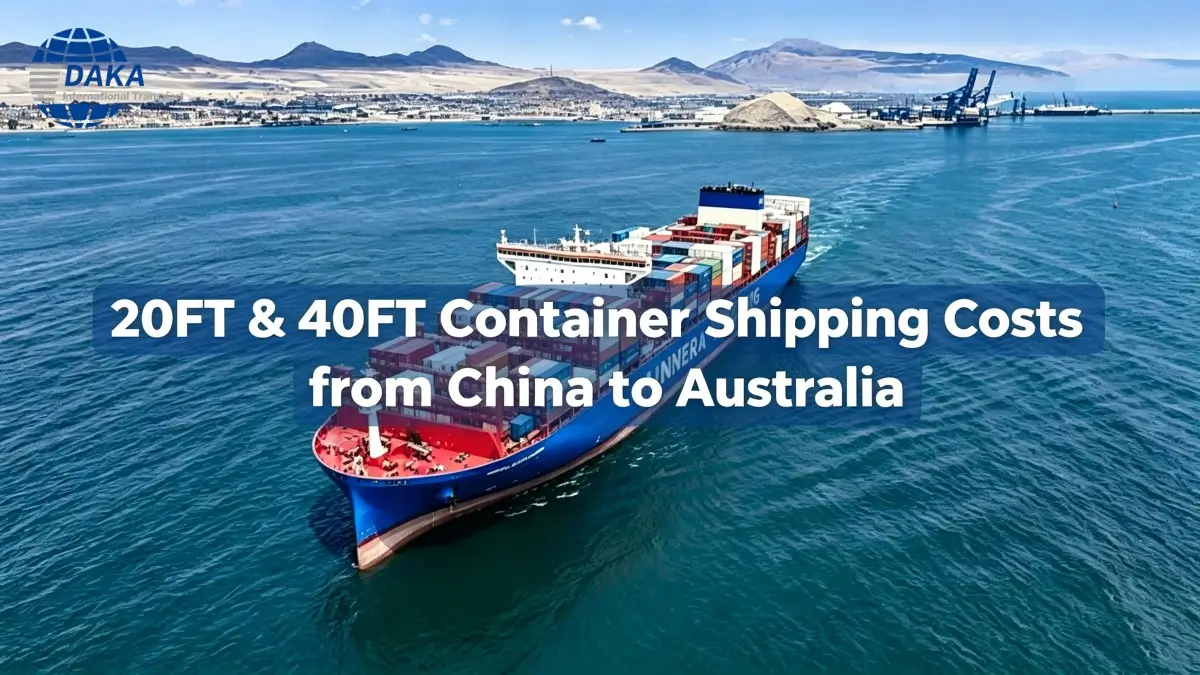
Importing goods from China to Australia can be a profitable business opportunity, Customs clearance is an integral step in the process of importing goods into Australia.For businesses and individuals alike, understanding how long customs clearance might take and what factors influence it can help reduce delays and costs.
In this article, we’ll explain the typical customs clearance timeline, factors that affect clearance speed, and how to ensure your shipment moves smoothly through Australian Customs.
1. What Is Customs Clearance?
Customs clearance is the process through which imported goods are reviewed by Australian authorities before they are released into the local market. Every shipment entering Australia must be assessed to ensure that it complies with customs regulations, biosecurity requirements, and tax obligations.
When a shipment arrives in Australia, customs officials review the shipping documents, verify the declared value of the goods, assess any applicable duties and taxes, and determine whether additional inspections are required. Once all requirements have been satisfied, the shipment can be released for final delivery.
2. How Long Does Customs Clearance Take?
In most cases, customs clearance in Australia takes between 1 and 3 business days after the shipment arrives and all required documents have been submitted correctly.
However, actual clearance times can vary depending on several factors.
| Shipment Type | Typical Clearance Time |
| Air Freight | 1–2 Business Days |
| Sea Freight (FCL) | 1–3 Business Days |
| Sea Freight (LCL) | 2–5 Business Days |
| Courier Shipments | Same Day to 2 Business Days |
| Goods Requiring Inspection | 3–10+ Business Days |
For straightforward shipments with complete documentation, clearance can sometimes be completed within a few hours.
3. Customs Clearance Step-by-Step
3.1 Shipment Arrives in Australia
The shipping carrier submits cargo information to Australian authorities before the shipment arrives.
3.2 Import Declaration Lodgement
An import declaration is submitted electronically through the Integrated Cargo System (ICS).
Required documents include:
- Commercial Invoice
- Packing List
- Bill of Lading (Sea Freight)/Air Waybill (Air Freight)
- Certificate of Origin (if applicable)
- Import permits (if required)
3.3 Customs Assessment
Australian Border Force reviews:
- Product classification
- Customs value
- Duty and GST calculations
- Compliance requirements
3.4 Duty and GST Payment
- If duties and GST apply, payment must be made before the shipment can be released.
3.5 Quarantine Inspection (If Required)
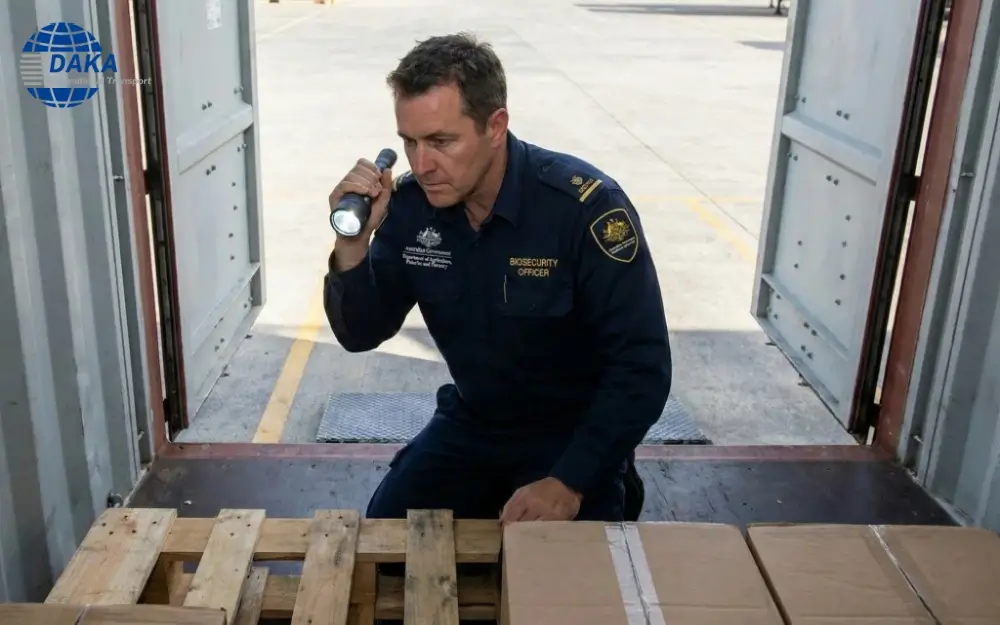
Some products require inspection by the Department of Agriculture.
Common examples include:
- Wooden products
- Furniture
- Packaging with timber
- Food products
- Plant materials
- Agricultural equipment
3.6 Cargo Release
After all checks are completed and payments are received, the shipment is released for delivery.
4. Factors That Can Delay Customs Clearance
Although many shipments clear quickly, several factors can cause delays.
4.1 Incorrect Documentation
Missing or inaccurate information is one of the most common reasons for customs delays.
Examples include:
- Incorrect product descriptions
- Incorrect commercial invoices
- Inconsistent quantities or values
Even small mistakes can result in customs requesting additional information.
4.2 Incorrect classification of cargos
When goods are classified incorrectly, duty calculations must be reviewed and amended. This not only delays release but can expose the importer to compliance risk.
4.3 Random Customs Inspections
Even when all documents are correct, Australian Border Force may select shipments for random inspection. These inspections are part of Australia’s risk management system and importers cannot avoid random inspections.
4.4 Biosecurity and Quarantine Checks
Australia has some of the strictest biosecurity regulations in the world.The Department of Agriculture, Fisheries and Forestry (DAFF) may inspect shipments containing:
Examples include:
- Wooden packaging
- Wooden furniture
- Food products
- Agricultural goods
- Plant materials
- Animal products
- Used machinery
If a shipment requires quarantine inspection, customs clearance may take several additional days. In some situations, goods may need treatment, fumigation, or further testing before they can be released.
4.5 Unpaid Duties and Taxes
Delays can also occur when import duties and GST payments are not made promptly. Australian Customs generally requires all applicable charges to be paid before the shipment can be released. Any delay in payment can directly impact delivery schedules.
4.6 Peak Shipping Seasons
Customs processing may also be affected by congestion at major Australian ports.During peak shipping seasons, customs and terminal operations may experience delays.
5. Air Freight vs Sea Freight Customs Clearance
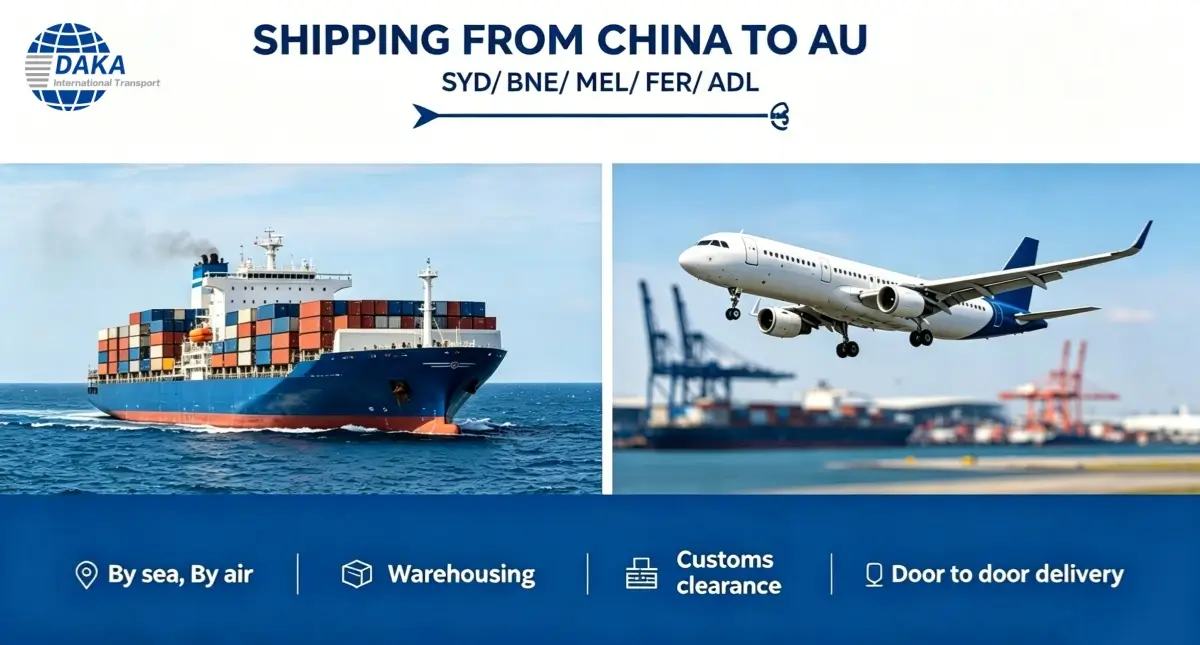
In general, air freight shipments tend to clear faster than sea freight shipments.Air cargo arrives in smaller quantities and is processed through highly automated airport facilities. This allows customs brokers and authorities to complete assessments quickly.
Sea freight cargo often involves additional handling procedures. Containers must be unloaded from vessels, transported through port facilities, and sometimes unpacked at bonded warehouses before customs release. These extra steps can add time to the process even when there are no customs-related issues.
6. How to Avoid Customs Clearance Delays
Here are several proven ways to reduce delays when importing from China to Australia.
Customs clearance delays are not entirely unpredictable. In most cases, with thorough preparation, such delays can be effectively avoided. Importers can mitigate these risks through the following methods.
6.1 Prepare Accurate Documents
Ensure all shipping documents are consistent and accurate:
- Commercial Invoice
- Packing List
- Bill of Lading
- Bill of Lading/Air Waybill
- HS codes
6.2 Use a Professional Customs Broker
An experienced customs broker can:
- Submit declarations correctly
- Classify products accurately
- Handle customs communication
- Resolve issues quickly
This significantly reduces the risk of delays.
6.3 Ensure Proper Packaging
For products using timber packaging:
- Use ISPM 15-compliant wood
- Provide fumigation certificates if required
This helps avoid quarantine problems.
6.4 Pay Duties Quickly
Arrange payment immediately after receiving customs assessments.Fast payment means faster cargo release.
6.5 Work With an Experienced Freight Forwarder
A professional freight forwarder can coordinate:
- Shipping arrangements
- Documentation
- Customs clearance
- Quarantine requirements
- Final delivery
This minimizes delays and ensures a smoother import process.
7. Common Questions About Customs Clearance from China to Australia
7.1 Can Customs Clearance Be Completed Before the Shipment Arrives?
Yes. Australian customs brokers can often lodge import declarations before arrival, allowing customs processing to begin earlier and reducing overall clearance time.
7.2 Does Every Shipment Get Inspected?
No. Most shipments are cleared without physical inspection.However, customs and biosecurity authorities may select shipments for: Random inspections, Risk assessments or Quarantine checks.
7.3 What Happens If Customs Holds My Shipment?
If customs places a hold on your cargo, you may need to provide:
- Additional documents
- Product specifications
- Import permits
- Certificates
The release time depends on how quickly the requested information is supplied.
Final Thoughts
For most shipments, customs clearance takes approximately 1–3 business days, provided all documents are accurate and no inspections are required. Air freight shipments generally clear faster than sea freight shipments, while quarantine inspections and documentation issues can extend the process by several days.
To avoid costly delays when importing from China, it’s important to prepare complete documentation, comply with Australian biosecurity requirements, and work with an experienced freight forwarder and customs broker.
At DAKA Transport, we provide complete shipping from China to Australia solutions, including sea freight, air freight, customs clearance, quarantine compliance, Amazon FBA delivery, warehousing, and door-to-door shipping services. Our experienced team helps Australian importers clear customs efficiently and receive their goods without unnecessary delays.
If you need assistance with importing from China to Australia, contact DAKA today for professional logistics and customs clearance support.