If you’re importing goods, one of the most important questions you’ll ask is: how much does shipping from China to Australia cost?
The short answer is: it depends. Shipping costs can vary widely based on factors such as shipping method, cargo size, weight, delivery speed, and additional fees like customs duties and local charges.
In this comprehensive guide, we’ll break down everything you need to know—from detailed pricing structures to hidden costs—so you can accurately estimate your total shipping expenses and make smarter logistics decisions.

1. What are the shipping methods from China to Australia?
When shipping from China to Australia, there are three main logistics solutions:
- Sea Freight (Ocean Shipping) – Cheapest for large shipments
- Air Freight – Faster but more expensive
- Express service – Fastest and most convenient
Each method comes with different cost structures and is suitable for different types of shipments.
2. Sea Shipping Cost from China to Australia (Most Affordable Option)
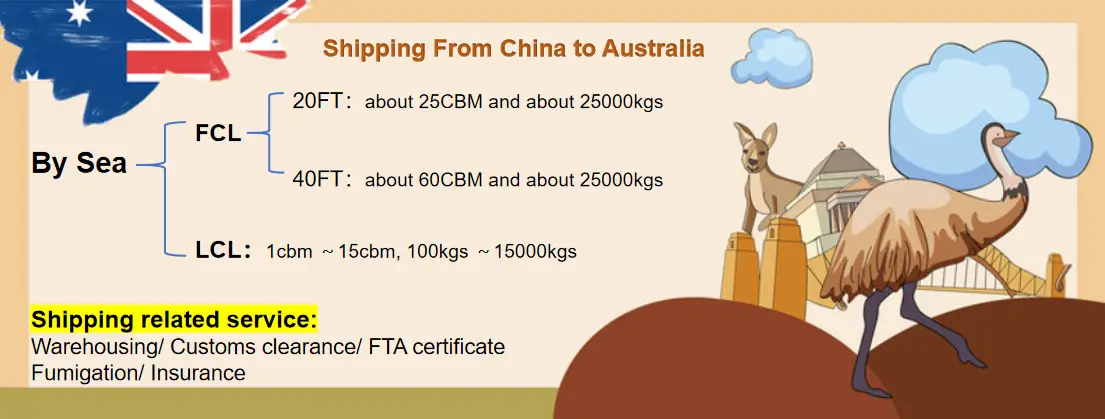
Sea freight is the most commonly used method for bulk shipments due to its low cost. Sea freight can be divided into FCL and LCL shipping.
FCL shipping means Full Container Load shipping. It means we ship your products in a whole container and no one share the container with you.
LCL means Less than Container Load shipping. It means we ship your products via sharing a container with others.
2.1 Full Container Load (FCL)
If you have enough cargo to fill a container, FCL is the most cost-efficient option.
| Container Type | Compacity | Estimated Cost |
|---|---|---|
| 20ft Container | About 25cubic meter, 20tons | $800 – $1,800 |
| 40ft Container | About 60cubic meter, 20tons | $1,500 – $3,500 |
✔ Fixed cost regardless of how full the container is
✔ Lower risk of damage
✔ Faster handling compared to LCL
2.2 Less than Container Load (LCL)
If your shipment is smaller, you can share container space with others.
- Cost: $80 – $150 per CBM (cubic meter)
- Minimum charge: Usually 1 CBM
✔ Ideal for small to medium shipments
✔ Pay only for the space you use
⚠️ Note: LCL shipments may incur additional consolidation and deconsolidation fees.
2.3 Sea Freight Transit Time
- Port to port: 12–25 days
- Door to door: 20–35 days
3. Air Shipping Cost from China to Australia (Fast & Reliable)
Air freight is ideal for time-sensitive shipments or high-value goods.
3.1 Pricing Structure
- Cost: $4 – $10 per kg
- Charged based on chargeable weight (actual vs volumetric weight)
3.2 Chargeable weight?
When we ship by air, the chargeable weight is according to actual weight and volume weight whichever is larger.
📏1CBM is equal to 200kgs.
For example,
A.If your cargo is 50kgs and the volume is 0.1CBM, the volume weight is 0.1CBM*200KGS/CBM=20kgs. The chargeable weight is according to actual weight which is 50kgs
B.If your cargo is 50kgs and the volume is 0.3CBM, the volume weight is 0.3CBM*200KGS/CBM=60KGS. The chargeable weight is according to volume weight which is 60kgs
3.3 Air Freight Transit Time
- Airport to airport: 1–5 days
- Door to door: 5–10 days
3.4 When to Use Air Freight
- Urgent deliveries
- High-value or fragile goods
- Seasonal or time-sensitive products
4. Express Shipping Cost from China to Australia (Door-to-Door Convenience)
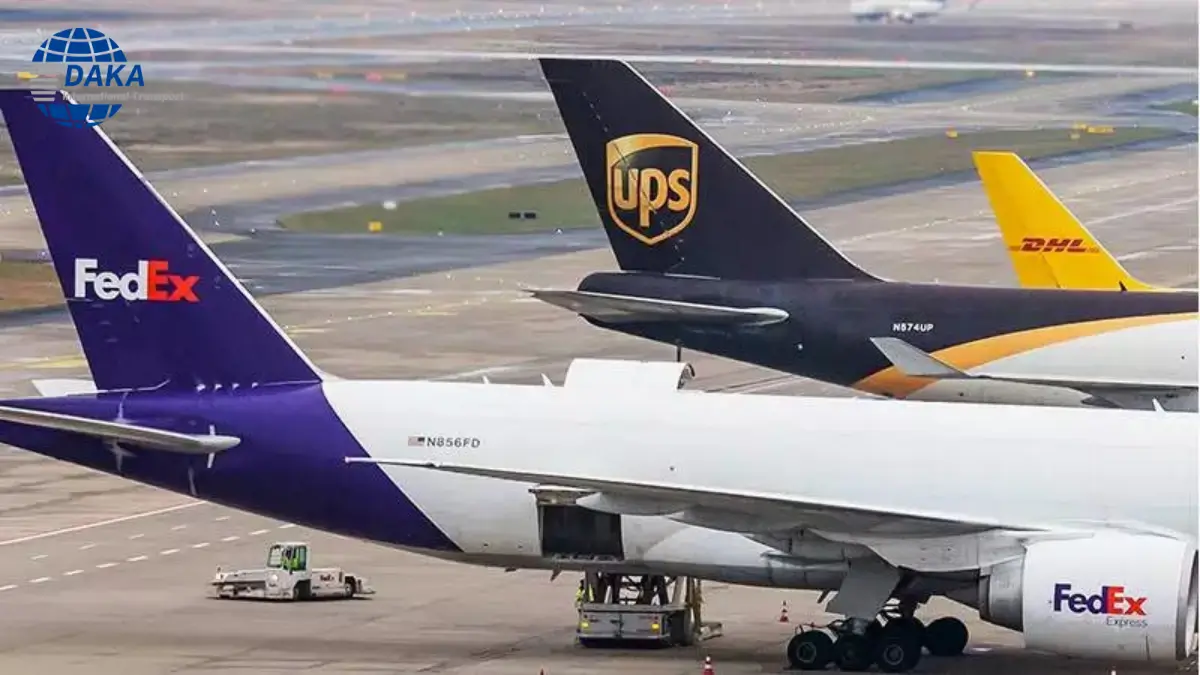
Express service like DHL, FedEx, and UPS provide the fastest shipping solution.
4.1 Pricing
- Cost: $6 – $15 per kg
- Includes:
- Pickup
- Customs clearance
- Door-to-door delivery
4.2 Delivery Time
- 2–5 business days
4.3 Best For
- Samples
- Small parcels
- E-commerce shipments
5. Key Factors That Affect Shipping Costs
Understanding these variables is essential to accurately estimate your shipping budget.
5.1 Cargo Size and Weight
- Sea freight → charged by volume (CBM)
- Air freight → charged by weight
Larger and heavier shipments naturally cost more, but unit costs decrease with volume.
5.2 Origin and Destination
- Major Australian ports (Sydney, Melbourne, Brisbane) are cheaper
- Remote or rural areas incur additional delivery fees
5.3 Shipping Speed
- Faster shipping methods cost more
- Express > Air Freight > Sea Freight
5.4 Type of Goods
Certain goods may increase shipping costs:
- Dangerous goods (DG cargo)
- Batteries and electronics
- Oversized or heavy equipment
- Perishable goods
5.5 Seasonality
Shipping prices fluctuate during peak seasons:
- Chinese New Year
- Christmas
During these periods, rates can increase significantly.
6. Additional Costs You Shouldn’t Ignore
Many importers underestimate the hidden costs involved in shipping.
6.1 Customs Duties and GST
- GST in Australia: 10%
- Duties vary depending on product type
You’re interested: How to calculate Australian duty and GST when you import from China to Australia?
6.2 Port and Terminal Charges
- Terminal handling charges (THC)
- Port service fees
6.3 Documentation Fees
- Bill of lading
- Customs paperwork
- Processing fees
6.4 Quarantine and Inspection (AQIS)
Australia has strict biosecurity regulations:
- Inspection fees may apply
- Fumigation may be required
6.5 Last-Mile Delivery
- Trucking from port to final destination
- Costs vary based on distance and accessibility
Total Impact
These additional costs can add 10%–30% (or more) to your total shipping expenses.
7. Real Cost Examples
7.1 Example 1: Small Shipment (Air Freight)
- Weight: 100 kg
- Rate: $6/kg
Total: $600
7.2 Example 2: Medium Shipment (LCL Sea Freight)
- Volume: 3 CBM
| Cost Item | Estimated Cost |
|---|---|
| Sea Freight | $240 – $450 |
| Destination Charges | $200 – $400 |
| Customs Clearance | $100 – $200 |
| Delivery | $150 – $300 |
| Total | $690 – $1,350 |
7.3 Example 3: Full Container (FCL)
- 20ft container
| Cost Item | Estimated Cost |
|---|---|
| Ocean Freight | $800 – $1,800 |
| AU Port Charges | $400 – $600 |
| Customs + GST | Varies |
| Delivery | $300 – $800 |
| Total | $1,500 – $3,200+ |
8. Sea Freight vs Air Freight vs Express
| Factor | Sea Freight | Air Freight | Express |
|---|---|---|---|
| Cost | Low | Medium | High |
| Speed | Slow | Fast | Very Fast |
| Best For | Bulk cargo | Urgent goods | Small parcels |
| Transit Time | 20–40 days | 5–10 days | 2–5 days |
9. Practical Tips to Reduce Shipping Costs
Reducing logistics costs can significantly improve your profit margins.
✔ 1. Consolidate Shipments
Combine multiple shipments into one to reduce per-unit cost.
✔ 2. Plan Ahead
Avoid peak seasons and last-minute bookings.
✔ 3. Choose the Right Method
Don’t use air freight when sea freight is sufficient.
✔ 4. Optimize Packaging
Reduce volumetric weight by using efficient packaging.
✔ 5. Work with Reliable Freight Forwarders
Experienced forwarders can help you avoid unnecessary fees and delays.
FAQ
1. What is the cheapest way to ship from China to Australia?
Sea freight (especially FCL) is the most cost-effective option for large shipments.
2. How long does shipping take?
- Sea freight: 20–40 days
- Air freight: 5–10 days
- Express: 2–5 days
3. Why are shipping costs so inconsistent?
Prices fluctuate due to fuel costs, demand, global trade conditions, and seasonal peaks.
4. Can I ship door-to-door?
Yes, many logistics providers offer full door-to-door services including customs clearance and delivery.
5. How can I get an accurate quote?
Provide the following details:
- Cargo dimensions and weight
- Pickup location in China
- Delivery address in Australia
- Type of goods
Understanding all these factors will help you better estimate your logistics costs and avoid unexpected expenses when shipping from China to Australia.Engaging reputable freight forwarders such as DAKA Transport can provide expertise in navigating shipping complexities and potentially secure more competitive rates.