As one of Australia’s vital commercial and logistics hubs, Melbourne serves as a primary entry point for Chinese imports. Every year, thousands of containers carrying furniture, construction materials, electronics and consumer goods arrive at the port, sustaining enterprises across Victoria and nationwide.
If you are planning shipping from China to Melbourne, understanding the available shipping methods, transit times, shipping costs, customs requirements, and delivery options can help you avoid unnecessary expenses and ensure your cargo arrives smoothly. This article provides a practical overview for Australian importers looking to streamline their supply chain. 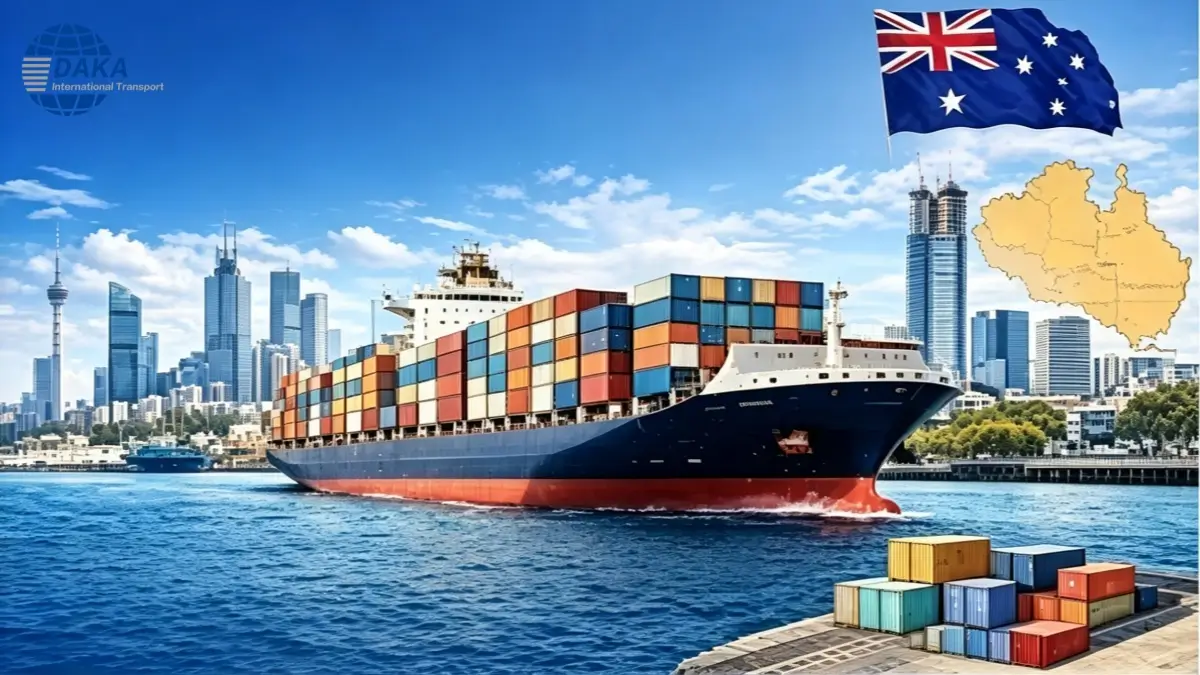
1. The Shipping Method from China to Melbourne
When arranging shipping from China to Melbourne, there are three primary transportation options available. The most suitable transportation method depends on the size, urgency, and value of the cargo.
1.1 Sea Freight from China to Melbourne
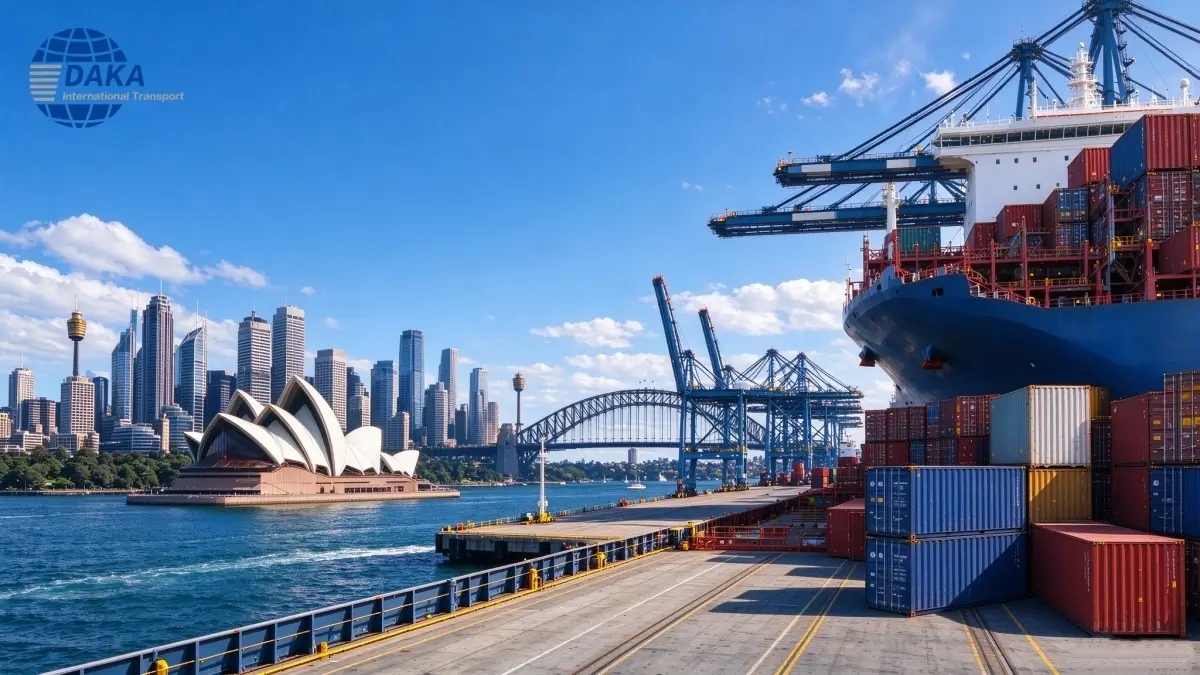
Sea freight is the most commonly used option for businesses importing larger quantities of goods. It offers the lowest transportation cost per unit and is particularly suitable for bulky or heavy cargo. Whether you are importing furniture, machinery, construction materials, or large wholesale orders,
There are two kinds of sea freight. Importers can choose between Full Container Load (FCL) and Less than Container Load (LCL) shipping.
FCL (Full Container Load)
FCL shipping means you use an entire container exclusively for your cargo.
Common container sizes:
| Container Type | Length × Width × Height (Meter) | Max Weight (Kgs) | Volume (Cubic Meter) |
|---|---|---|---|
| 20GP (20ft) | 6m × 2.35m × 2.39m | About 26,000 kgs | About 28 CBM |
| 40GP | 12m × 2.35m × 2.39m | About 26,000 kgs | About 60 CBM |
| 40HQ | 12m × 2.35m × 2.69m | About 26,000 kgs | About 65 CBM |
LCL (Less than Container Load)
When the cargo volume is small, these cargoes can share container space with other importers.
For businesses importing regularly, FCL often delivers better value and greater cargo security.
1.2 Air Freight from China to Melbourne
For urgent shipments, air freight offers a much faster alternative. Products such as electronics, fashion items, medical equipment, and time-sensitive inventory are frequently transported by air. Although air freight costs significantly more than sea freight, many businesses find the speed worthwhile when rapid delivery is critical.
Air freight can also help reduce inventory holding costs by allowing businesses to replenish stock more quickly and respond to market demand with greater flexibility.
1.3 Express Shipping from China to Melbourne
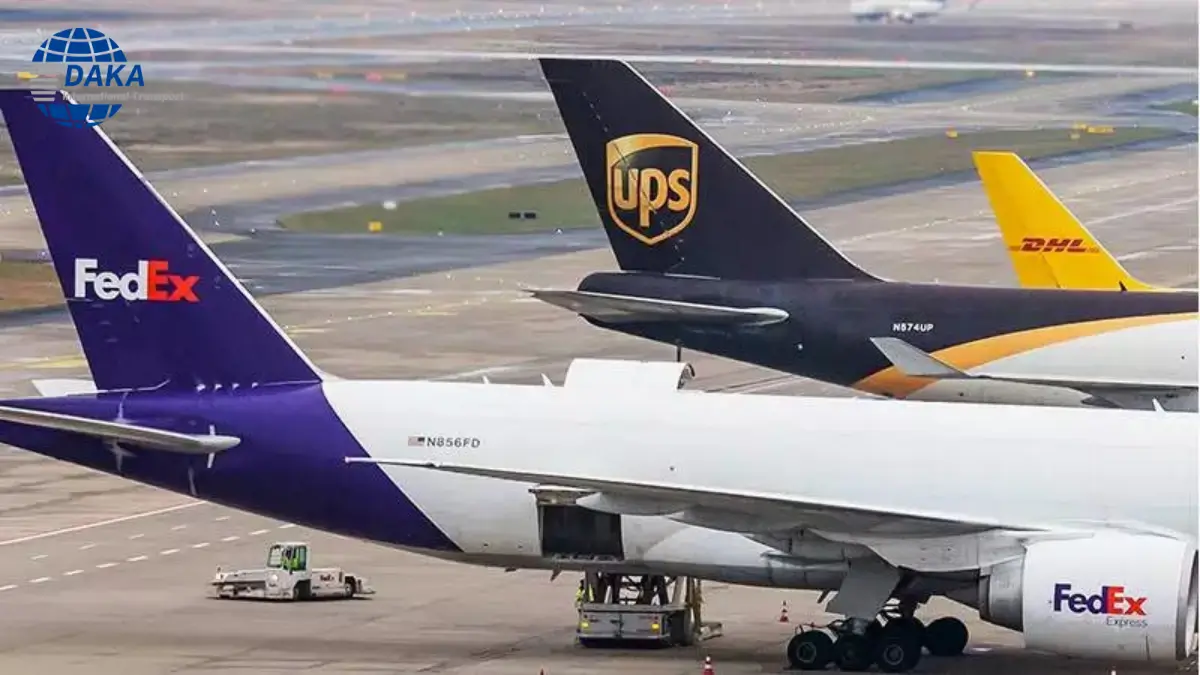
For small parcels, product samples, or urgent documents, international couriers such as DHL, UPS, FedEx, and TNT provide convenient door-to-door services. Express shipping is typically the fastest option available, though it is generally the most expensive on a per-kilogram basis.
2. How Long Does Shipping from China to Melbourne Take?
Transit time varies depending on the shipping method, departure city, carrier schedules, customs clearance, and final delivery arrangements.
2.1 Sea Freight transit time from China to Melbourne
For sea freight, cargo departing from major Chinese ports such as Shenzhen, Guangzhou, Shanghai, or Ningbo generally takes between 12 and 20 days to reach Melbourne port. When including cargo collection, export customs procedures, Australian customs clearance, and final delivery, the total door-to-door transit time often ranges from 19 to 30 days.
| From | To | Port to Port | Door to Door by FCL | Door to Door by LCL |
| Shenzhen | Melbourne | 12-16 days | 19-23 days | 22-26 days |
| Guangzhou | Melbourne | 12-16 days | 19-23 days | 22-26 days |
| Ningbo | Melbourne | 14-17 days | 21-24 days | 24-27 days |
| Shanghai | Melbourne | 15-18 days | 22-25 days | 25-28 days |
| Qingdao | Melbourne | 18-20 days | 25-27 days | 28-30 days |
2.2 Air Freight transit time from China to Melbourne
Air freight is considerably faster, with most shipments arriving in Melbourne within 3 to 7 days. Door-to-door air freight services usually require around 5 to 10 days depending on the origin and delivery location.
2.3 Express shipping transit time from China to Melbourne
Express courier shipments can often be delivered within 3 to 7 business days, making them an attractive choice for urgent orders and low-volume shipments.
3. Shipping Costs from China to Melbourne
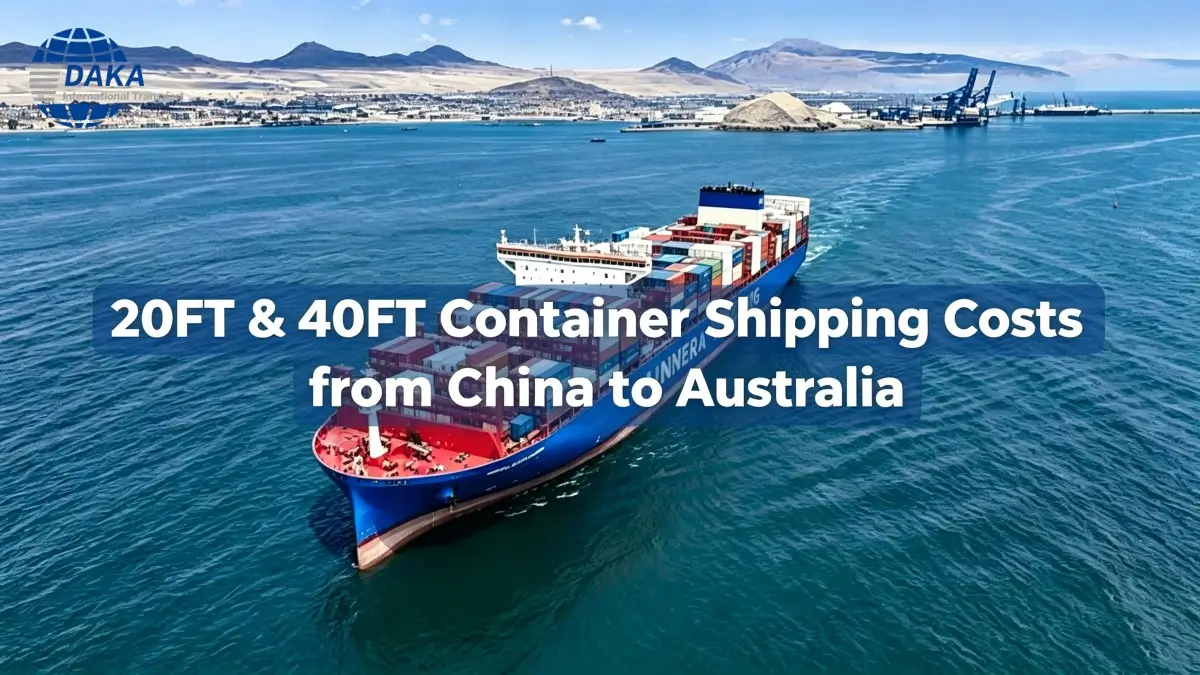
Shipping cost from China to Melbourne depends on a variety of factors, including cargo volume, weight, shipping method, commodity type, and seasonal market conditions.
For sea freight, pricing is usually calculated based on container size for FCL shipments or cubic meter volume for LCL cargo. During peak shipping seasons, rates can increase significantly due to higher demand and limited vessel space.
Air freight costs are generally determined by either actual weight or volumetric weight, whichever is greater. Lightweight products with large packaging often incur higher charges because airlines allocate space based on volume as well as weight.
Beyond the freight charge itself, importers should also account for origin charges, export customs clearance fees, destination handling fees, customs clearance costs, duties, GST, and local transportation expenses. Understanding the full landed cost before shipping can help businesses avoid unexpected charges upon arrival.
You can contact DAKA Transport to get a detailed shipping cost from China to Australia by sea and by air.
4. Melbourne Port
The Port of Melbourne serves as Australia’s primary container gateway and plays a vital role in facilitating trade between China and Australia. Its advanced infrastructure, modern container terminals, and extensive transportation connections allow imported cargo to move efficiently through the supply chain.
Because of its strategic importance, many shipping lines offer frequent direct services between major Chinese ports and Melbourne. This helps improve reliability and often reduces overall transit times compared with smaller Australian ports.
5. Customs Clearance for Shipping from China to Melbourne
Every shipment entering Australia must comply with customs and biosecurity regulations. Proper documentation is essential to ensure smooth customs clearance and prevent unnecessary delays.
5.1 Required Documents
Typically, importers need:
- Commercial Invoice
- Packing List
- Bill of Lading (for sea freight)
- Air Waybill (for air freight)
Depending on the product category, additional certificates or permits may also be necessary.
Australia maintains strict biosecurity standards, particularly for products containing wood, plant materials, or other items that may present quarantine risks. Importers should ensure that their suppliers understand Australian requirements before goods are shipped.
Many products imported from China may qualify for preferential tariff treatment under the China-Australia Free Trade Agreement (ChAFTA). When the appropriate Certificate of Origin is provided, importers can often benefit from reduced or zero customs duties, helping lower overall import costs.
5.2 Import Duty and GST
5.1 Customs Duty
Many products imported from China may qualify for reduced or zero duty under the China-Australia Free Trade Agreement (ChAFTA).When the appropriate Certificate of Origin is provided, importers can often benefit from reduced or zero customs duties, helping lower overall import costs.
5.2 GST
10% GST
GST is usually calculated based on:
Customs Value + Duty + International Freight + Insurance
Importers should verify the latest regulations before shipment.
6. Door-to-Door Shipping from China to Melbourne
Door-to-door shipping services simplify the entire logistics process. Rather than coordinating multiple service providers, importers can work with a single freight forwarder who manages cargo collection, export customs clearance, international transportation, customs processing in Australia, and final delivery.
This approach reduces administrative workload, improves shipment visibility, and minimizes the risk of communication issues between different parties. For new importers, door-to-door services often provide the easiest and most efficient way to manage international shipments.
7. Tips for Reducing Shipping Costs
7.1 Consolidate Shipments
Combining multiple orders into one shipment can significantly reduce transportation costs.
7.2 Plan Ahead
Avoid peak seasons such as:
- Chinese New Year
- Golden Week
- Christmas season
7.3 Use Sea Freight for Bulk Cargo
For large shipments, sea freight usually provides the best cost efficiency.
7.4 Work with an Experienced Freight Forwarder
A professional freight forwarder can optimize routing, minimize unexpected charges, and ensure smooth customs clearance.
8. Choose a Freight Forwarder for China to Melbourne Shipping
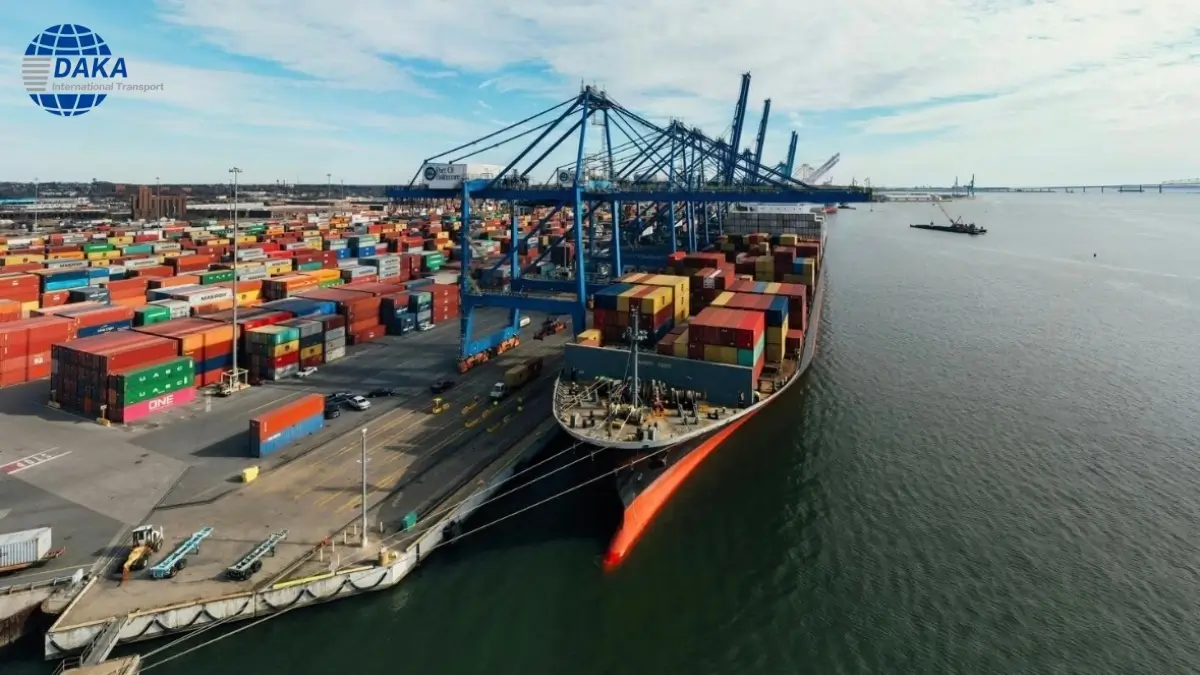
When selecting a logistics partner, look for:
- Experience in Australia shipping routes
- Strong network in China
- Customs clearance expertise
- Competitive pricing
- Responsive customer support
- Cargo tracking capabilities
An experienced freight forwarder like DAKA can help avoid costly mistakes and ensure your cargo arrives safely and on schedule.
Conclusion
Whether you’re importing furniture, machinery, electronics, or consumer products, shipping from China to Melbourne can be straightforward when you choose the right transportation method and logistics partner.
By understanding transit times, shipping costs, customs requirements, and delivery options, Australian importers can make informed decisions and improve supply chain performance.
At DAKA International Transport, we specialize in shipping from China to Melbourne, providing reliable sea freight, air freight, customs clearance, and door-to-door delivery solutions for Australian importers. With an experienced team in both China and Australia, we help businesses simplify the shipping process, reduce logistics costs, and ensure cargo arrives safely and on time. contact DAKA today and let our team help you make shipping from China to Melbourne easier, faster, and more cost-effective.